
Aged inventory is a persistent challenge in e-commerce and retail. Unsold inventory not only ties up valuable capital but also incurs ongoing storage costs, reducing overall profitability. Efficiently managing aged inventory is essential to minimizing losses and sustaining business growth. By leveraging data-driven insights, businesses can take proactive steps to address inventory issues, optimize resources, and enhance profitability. Here are six strategies to effectively manage aged inventory.
1. Leverage Data-Driven Inventory Insights

Data is a powerful ally in managing inventory. Tools like FBALabs enable businesses to access comprehensive inventory reports, including FBA overviews, billing, total inventory, unsold items, and obsolete stock. These reports provide actionable insights into inventory performance, allowing businesses to:
- Identify slow-moving items early.
- Monitor key metrics such as sales velocity, inventory value, and gross margin.
- Develop targeted strategies to clear unsold inventory.
For instance, understanding which products contribute to the bulk of your aged inventory helps in creating tailored clearance campaigns or promotional offers, ensuring you minimize losses while freeing up warehouse space.
2. Optimize Inventory Turnover
A healthy inventory turnover ratio is critical to reducing aged inventory. Slow-moving stock not only consumes storage space but may also attract additional storage fees, particularly in fulfillment centers like Amazon FBA. Tools from FBALabs allow businesses to track inventory turnover and holding costs in real-time, providing the insights needed to:
- Identify and address inefficiencies in restocking cycles.
- Prioritize the sale of products nearing expiration or obsolescence.
Regularly reviewing these metrics can help businesses stay agile and responsive to changing inventory conditions, preventing overstocking and unnecessary expenses.
3. Implement Promotions and Discounts

Promotions and discounts are time-tested strategies to clear aged inventory. By reducing prices or bundling slow-moving items with high-demand products, businesses can incentivize customers to purchase. Popular promotional tactics include:
- Seasonal Discounts: Offer sales during peak shopping seasons to encourage larger purchases.
- Bundle Deals: Pair slow-moving items with best-sellers to increase their perceived value.
- Flash Sales: Create urgency around discounted items to boost sales quickly.
When executed effectively, these strategies help recover a portion of the investment tied up in aged inventory while reducing storage costs.
4. Utilize Dynamic Pricing Strategies

Dynamic pricing, driven by real-time data, is an effective way to manage aging inventory. By adjusting prices based on demand, seasonality, and inventory levels, businesses can increase the appeal of slow-moving products. For instance:
- Gradually lowering prices on products that have been sitting unsold for an extended period.
- Implementing tiered pricing to attract different customer segments.
With tools like FBALabs providing detailed insights into inventory trends and sales performance, businesses can develop data-driven pricing strategies that maximize revenue while clearing aged stock.
5. Focus on Forecasting and Demand Planning
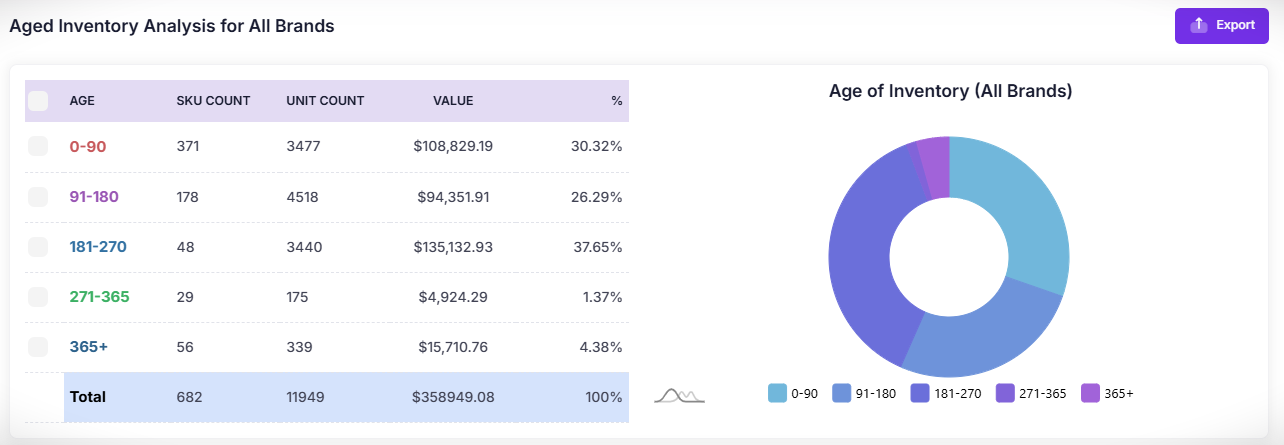
Prevention is often the best cure for aged inventory problems. Accurate demand forecasting, supported by historical sales data, can help businesses avoid over-purchasing and maintain a balanced inventory. FBALabs’ tools can assist by providing detailed insights into seasonal trends and product performance, enabling businesses to:
- Predict demand with greater accuracy.
- Adjust purchasing decisions based on sales patterns.
- Maintain optimal stock levels, reducing the risk of overstocking.
With precise forecasting, businesses can strike the right balance between supply and demand, minimizing the likelihood of aged inventory.
6. Explore Liquidation and Alternative Sales Channels

When traditional sales channels fail to move inventory, businesses should consider liquidation or alternative sales options. These might include:
- Partnering with discount retailers or wholesalers.
- Selling through clearance websites or online marketplaces dedicated to overstocked items.
- Donating unsellable items to eligible charities, which may offer tax benefits in return.
Liquidation allows businesses to recover some value from unsold inventory, helping to mitigate losses while creating space for new stock.
Effectively managing aged inventory is essential for maintaining profitability in the competitive world of e-commerce. By leveraging tools like FBALabs’ comprehensive inventory insights, businesses can identify slow-moving stock, optimize pricing strategies, and implement proactive solutions to minimize losses.
Adopting a data-driven approach ensures informed decision-making, helping businesses reduce storage costs, improve cash flow, and create a more efficient inventory management system.